

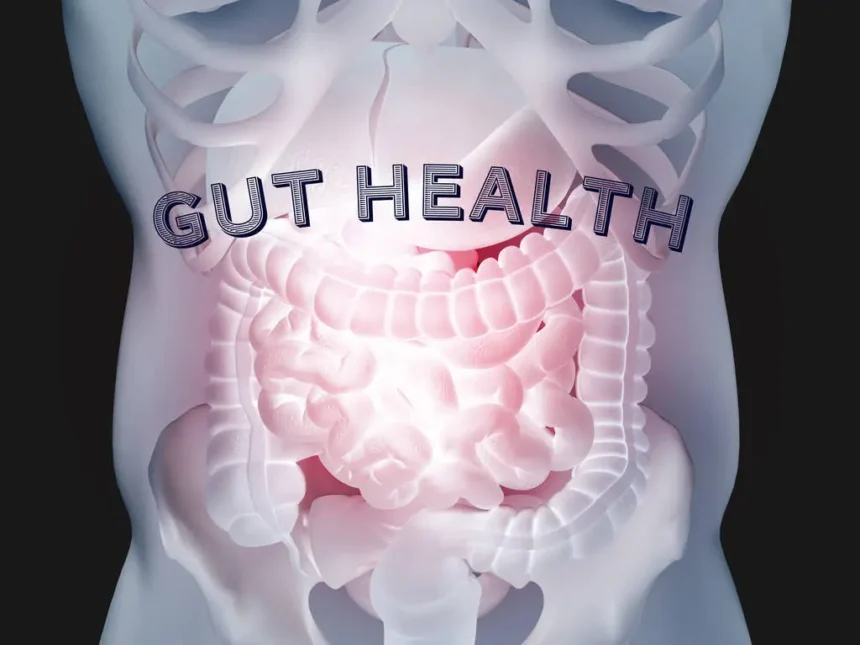
Good digestion is the foundation of overall health. When your digestive system functions well, your body effectively absorbs nutrients, eliminates waste, and maintains a balanced gut microbiome. If you frequently experience bloating, constipation, or indigestion, these 12 natural tips can help restore digestive harmony.
Why Gut Health Matters
Your gut is home to trillions of bacteria collectively known as the gut microbiome. These microbes influence digestion, immunity, mental health, and even weight. Poor gut health is linked to conditions like IBS, inflammatory bowel disease (IBD), and autoimmune disorders.
12 Natural Tips to Improve Digestion
1. Eat More Fiber
Dietary fiber adds bulk to stool and feeds beneficial gut bacteria. Aim for 25–38 grams per day from sources like fruits, vegetables, legumes, and whole grains.
2. Stay Hydrated
Water helps dissolve soluble fiber and flush waste through the intestines. Aim for at least 8 glasses (2 liters) of water daily. Herbal teas like ginger and peppermint also support digestion.
3. Eat Slowly and Mindfully
Chewing thoroughly and eating without distractions allows your digestive enzymes to work more effectively and reduces swallowed air that causes bloating.
4. Incorporate Probiotics
Probiotics are live beneficial bacteria found in fermented foods such as:
- Yogurt with live cultures
- Kefir
- Kimchi and sauerkraut
- Miso and tempeh
- Kombucha
5. Include Prebiotic Foods
Prebiotics feed your good gut bacteria. Top prebiotic foods include garlic, onions, leeks, asparagus, bananas, and oats.
6. Reduce Processed and Fatty Foods
High-fat and ultra-processed foods slow digestion and disrupt gut flora. Replace them with whole, minimally processed alternatives.
7. Manage Stress
The gut-brain axis means stress directly affects digestion. Chronic stress can trigger IBS, constipation, or diarrhea. Practice yoga, meditation, deep breathing, or regular exercise to reduce stress levels.
8. Exercise Regularly
Physical activity stimulates intestinal contractions, helping food move through the digestive tract. Even a 20–30 minute walk after meals can reduce bloating and improve bowel regularity.
9. Limit Alcohol and Caffeine
Alcohol irritates the gut lining and disrupts gut bacteria balance. Excessive caffeine can trigger acid reflux and increase bowel urgency. Moderation is key.
10. Eat at Regular Times
Consistent meal times help regulate your digestive clock. Skipping meals or eating erratically can lead to irregular bowel movements and digestive discomfort.
11. Avoid Smoking
Smoking weakens the lower esophageal sphincter, increasing the risk of acid reflux and GERD. It also reduces digestive enzyme production and alters gut bacteria.
12. Consider Digestive Enzymes
Some people benefit from digestive enzyme supplements, especially for lactose intolerance or pancreatic insufficiency. Always consult a healthcare provider before starting supplements.
Quick Comparison: Foods That Help vs. Hurt Digestion
| Good for Digestion | Bad for Digestion |
| Yogurt, kefir (probiotics) | Fried and greasy foods |
| Oats, bananas (prebiotics) | Processed snacks and fast food |
| Ginger, peppermint tea | Excessive alcohol |
| Leafy greens, legumes | Carbonated drinks |
| Whole grains, fruits | Artificial sweeteners |
Bottom Line
Improving digestion is not about quick fixes — it’s about consistent, sustainable lifestyle habits. By incorporating these 12 tips, you can build a healthier gut microbiome, reduce uncomfortable symptoms, and improve your overall well-being.

Dr. Alan Conrad Kauppi is a board-certified Endocrinologist at Centra Medical Group in Lynchburg, VA with 27+ years of experience. Extensively trained at Emory University School of Medicine. Expert in thyroid disorders, diabetes, osteoporosis, and endocrine conditions. Accepting new patients.