

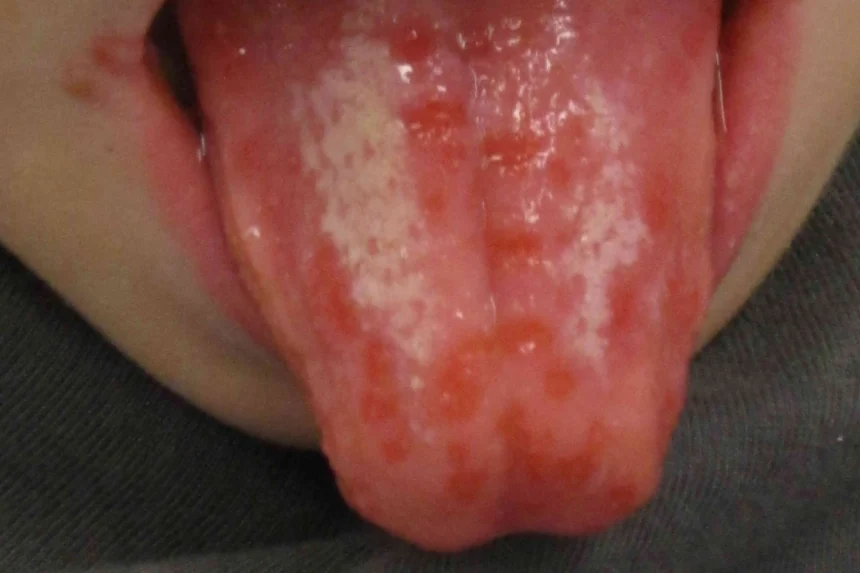
A Complete Guide to Tongue Bumps by Location
Medically reviewed content for patient education purposes only. This article does not replace advice from your dentist or doctor.
Finding a bump inside the tongue can be alarming, especially if it’s sore, won’t go away, or you’ve never noticed it before. The good news: the vast majority of tongue bumps are harmless and related to normal anatomy or minor irritation. This guide walks through the most common causes by location — tip, back, underside, and sides — along with what the color of a bump can tell you, and the specific signs that mean it’s time to see a professional.
Key Takeaway
Most tongue bumps — whether they’re lie bumps, canker sores, or enlarged papillae — clear up on their own within a few days to two weeks. Bumps that are hard, painless, non-healing after two weeks, or that bleed easily deserve a prompt check with a dentist or doctor.
What Normal Bumps on Your Tongue Look Like
Your tongue is naturally covered in small bumps called papillae, which house your taste buds and help with texture, chewing, and speech. There are four types:
- Filiform papillae — tiny, hair-like, cone-shaped projections spread across the tongue’s surface; they don’t contain taste buds.
- Fungiform papillae — small, mushroom-shaped bumps concentrated at the tip and edges.
- Circumvallate papillae — large, easily visible bumps arranged in a V-shape at the very back of the tongue.
- Foliate papillae — ridge-like bumps along the rear side edges of the tongue.
Knowing this baseline anatomy helps you tell the difference between a normal structure and a new, irritated, or unusual bump.
Bump on Tongue: Common Causes
A single bump on tongue is most often one of the following:
- Lie bumps (transient lingual papillitis) — small, tender red or white bumps that appear suddenly when a papilla becomes irritated. They usually resolve within 2–3 days.
- Canker sores (aphthous ulcers) — round, painful sores with a white or yellow center and red border, often triggered by stress, minor injury, or certain foods.
- Trauma — accidentally biting the tongue or burning it on hot food can cause temporary swelling that looks like a bump.
- Allergic reactions — new toothpaste, mouthwash, or foods can trigger localized swelling or bumps.
- Irritation fibroma — a smooth, firm, painless growth from chronic rubbing (e.g., against a sharp tooth or denture).
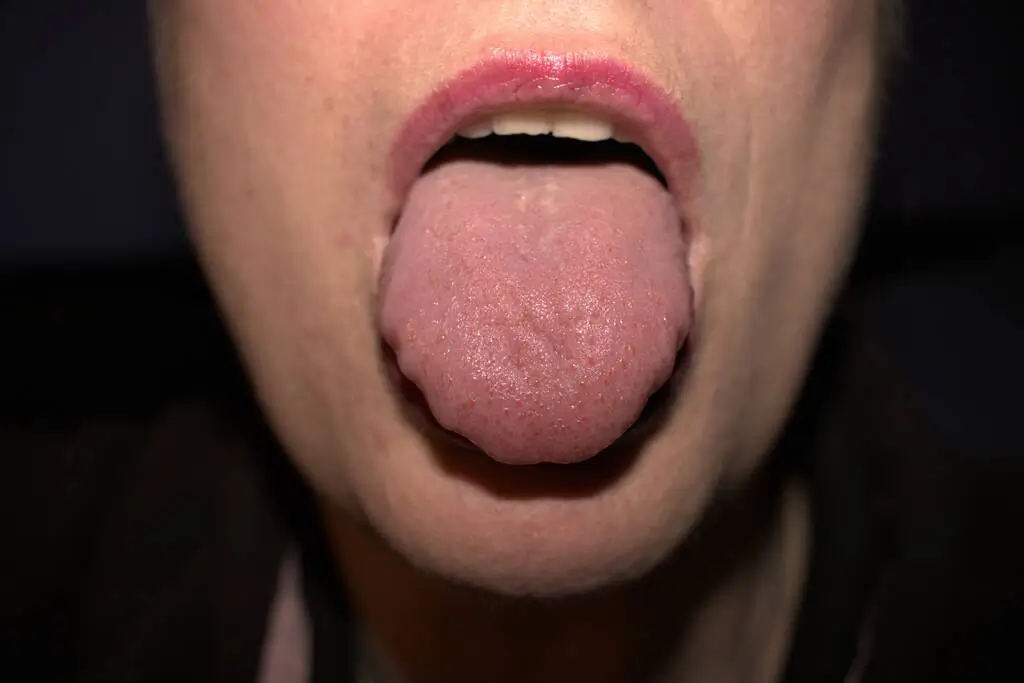
Bumps on Back of Tongue
Bumps on the back of tongue — sometimes described as bumps on tongue at back — are frequently just enlarged circumvallate papillae, the large taste-bud structures naturally arranged in a V-shape near the throat. Because they’re already the largest papillae on the tongue, people often notice them for the first time and assume something is wrong.
Other causes specific to this area include:
- Swollen lingual tonsils — small lymphoid tissue at the very base of the tongue that can enlarge with infection, allergies, or after tonsil removal.
- Foliate papillitis — irritation of the ridge-like papillae along the rear sides of the tongue.
- Viral or bacterial throat infections — conditions like strep throat or tonsillitis can cause temporary swelling and soreness toward the back of the tongue.
Bumps at the back of the tongue are harder to see and can feel more alarming because of their location near the throat, but they usually aren’t a cause for concern and settle down on their own.
Bump Underside Tongue (Below Tongue Bumps)
A bump underside tongue, or below tongue bumps, has a different, more specific set of likely causes than bumps on top of the tongue, because this area contains salivary gland openings and thin, highly vascular tissue:
- Mucocele — a soft, fluid-filled, painless swelling that forms when a small salivary gland duct is blocked or damaged, often after biting the area. These can persist for weeks and sometimes need a simple in-office procedure to resolve.
- Sublingual varices (“caviar tongue”) — small, dark purple or blue bumps along the underside veins, related to normal aging of blood vessels. These are benign and don’t require treatment.
- Canker sores — can also form underneath the tongue, not just on top.
If a bump under the tongue is hard, growing, or doesn’t resemble a soft cyst or blue vein, it’s worth having a dentist take a look to rule out other causes.
White Bump on Tongue: What It Usually Means
A white bump on tongue is one of the most common variations people search for, and it typically points to one of these causes:
- Lie bumps — can appear white as well as red.
- Canker sores — classically white or yellow with a red edge.
- Oral thrush — a yeast infection causing white patches or bumps, more common after antibiotics, with inhaled steroids, or in people with weakened immunity.
- Leukoplakia — a less common condition causing white patches that don’t wipe away; linked to tobacco and alcohol use and worth a professional evaluation since it’s occasionally precancerous.
A white bump that clears up within a week or two is almost always benign. One that lingers, thickens, or won’t wipe off deserves a dental or medical check.
Quick Reference: Bump Location and Likely Cause
| Location on the Tongue | Most Likely Cause | Typical Timeline |
| Tip or top of tongue | Lie bumps (transient lingual papillitis), canker sores, minor bite trauma | Usually resolve in 2–7 days |
| Back of tongue / bumps on tongue at back | Enlarged circumvallate papillae, swollen lingual tonsils, foliate papillae irritation | Days to about 2 weeks |
| Underside (bump underside tongue / below tongue bumps) | Mucocele (blocked salivary gland), sublingual varices (“caviar tongue”), canker sores | Mucoceles: weeks; varices: permanent but harmless |
| White bump on tongue (any location) | Oral thrush, canker sore, lie bump, leukoplakia (rare, needs check) | Days to 2 weeks, unless persistent |
| Side of tongue | Irritation fibroma, biting trauma, rarely early oral cancer if non-healing | Days to weeks; persistent = see a doctor |
This table is a general guide, not a diagnosis. Any bump that changes, grows, or doesn’t heal should be examined in person.
When a Tongue Bump Needs Medical Attention
Most tongue bumps are harmless, but see a dentist or doctor if you notice:
- A bump that hasn’t healed after 2 weeks
- A hard, fixed lump rather than a soft, movable one
- Bleeding without an obvious cause
- Numbness, or a patch that doesn’t hurt at all despite looking abnormal
- Rapid growth or a bump that keeps coming back in the same spot
- Difficulty swallowing, speaking, or moving the tongue
- Fever, swollen lymph nodes, or signs of spreading infection
Persistent, painless lumps on the side or base of the tongue are the pattern most associated with early oral cancer, which is why non-healing bumps should never be dismissed, even if they don’t hurt.
How to Get Rid of a Bump on Tongue: Home Care Tips
For common, benign bumps like lie bumps, minor canker sores, or trauma-related swelling, simple home care usually speeds healing:
- Rinse with warm salt water — mix about half a teaspoon of salt in a cup of warm water and rinse gently 2–3 times a day.
- Avoid irritants — steer clear of spicy, acidic, salty, or very hot foods while the bump heals.
- Don’t pick or bite at it — this can worsen irritation and slow healing.
- Practice gentle oral hygiene — brush softly and use a mild, unflavored toothpaste if you suspect sensitivity.
- Stay hydrated — adequate saliva flow helps keep the mouth’s tissues healthy.
- Manage stress — stress is a recognized trigger for both canker sores and lie bumps.
If a bump doesn’t respond to these measures within one to two weeks, that’s the signal to stop self-treating and get it checked.
Frequently Asked Questions
Can you get bumps on your tongue?
Yes — tongue bumps are extremely common. Beyond the papillae you normally have, temporary bumps from lie bumps, canker sores, minor injuries, or irritation happen to most people at some point.
Why do I have a bump on my tongue?
Most single bumps are caused by irritation of a papilla (a lie bump), a minor bite or burn, a canker sore, or occasionally an allergic reaction to a food or oral care product. Location matters too — a bump under the tongue is more likely a blocked salivary gland (mucocele), while a bump at the back is often a naturally large circumvallate papilla or swollen lingual tonsil.
How to get rid of a bump on tongue?
Salt water rinses, avoiding spicy or acidic foods, gentle oral hygiene, and staying hydrated help most minor bumps resolve within a few days to two weeks. Over-the-counter oral gels can ease discomfort from canker sores. Bumps that persist beyond two weeks should be evaluated by a dentist or doctor rather than treated at home.
How to get rid of bumps on tongue that keep recurring?
Recurring bumps are often linked to a repeated trigger — a sharp tooth edge, a particular food, a stress pattern, or a specific toothpaste ingredient. Keeping a simple log of when bumps appear can help identify and remove the trigger. If bumps keep recurring despite avoiding likely irritants, a dentist can check for an underlying cause such as a chronic bite injury or nutritional deficiency.
How to get rid of a bump on tongue that won’t go away?
A bump that persists beyond two weeks despite home care needs an in-person evaluation. Your dentist or doctor can determine whether it’s a mucocele needing a minor procedure, a fibroma from chronic irritation, or something that requires further testing, rather than continuing to treat it at home without a diagnosis.
References and Further Reading
This article draws on information from the following trusted medical and research sources:
1. Cleveland Clinic — Transient Lingual Papillitis (Lie Bumps): Causes & Treatment
2. Healthline — Tongue Bumps: 10 Potential Causes and Treatments
3. Colgate — Enlarged Papillae (Tongue Bumps): Causes, Symptoms & Treatment
4. WebMD — Mucocele: Causes, Symptoms, and Treatment
6. MedicalNewsToday — Lie bumps: Symptoms, causes, and treatment
Disclaimer: This content is for general educational purposes and should not be used as a substitute for professional medical advice, diagnosis, or treatment. Always consult a dentist or physician for evaluation of a tongue bump, especially if it is persistent, painful, or changing.

Dr. Harleen Grewal, DDS, is an award-winning pediatric and family dentist in Santa Clarita, CA. Founder of Skyline Smiles, she specializes in kids’ dentistry, cosmetic care & sedation.